The ballot results for current students for the 2026/27 academic year are below. Entries above the CUTOFF (determined by the number of available rooms) are successful; those below will form the waiting list.
Title: Memory Learning under Partial Observability
Abstract: When a reinforcement learning agent has access only to partial observations of its environment, optimal decision-making generally requires retaining and using information from the past. This work characterizes the properties a learned memory representation must satisfy for an optimal policy to be expressible as a function of that representation. Building on this, we introduce an auxiliary training objective that encourages deep reinforcement learning agents to learn such memory functions. Empirical results across a diverse set of environments demonstrate that this approach can substantially improve performance under partial observability.
Bio: Peter is a Research Scientist at OpenAI working on sub-quadratic attention mechanisms to improve long-context performance of large language models. He recently completed a DPhil in Statistics at Oxford, with research in probability theory, stochastic analysis, numerical SDE methods, and reinforcement learning under partial observability. More broadly, he is interested in how mathematical approaches can help make machine learning algorithms more scalable, robust, and useful.
Wolfson adds two works to its art collection
Wolfson College is proud to steward an outstanding and diverse collection of paintings, drawings, prints, photographs, textiles, sculptures and ceramics. Since its foundation in the 1960s, the College has built one of Oxford’s most significant collections of modern and contemporary art, enriching the College environment for students, fellows and visitors alike.
Thanks to the generosity of alumni and friends, the collection – alongside works on loan – includes pieces by artists such as Howard Hodgkin, Ablade Glover, Bert Irvin, Christopher Le Brun, Anne Redpath and Bridget Riley.
In recent months, the collection has been further enhanced by two notable additions:
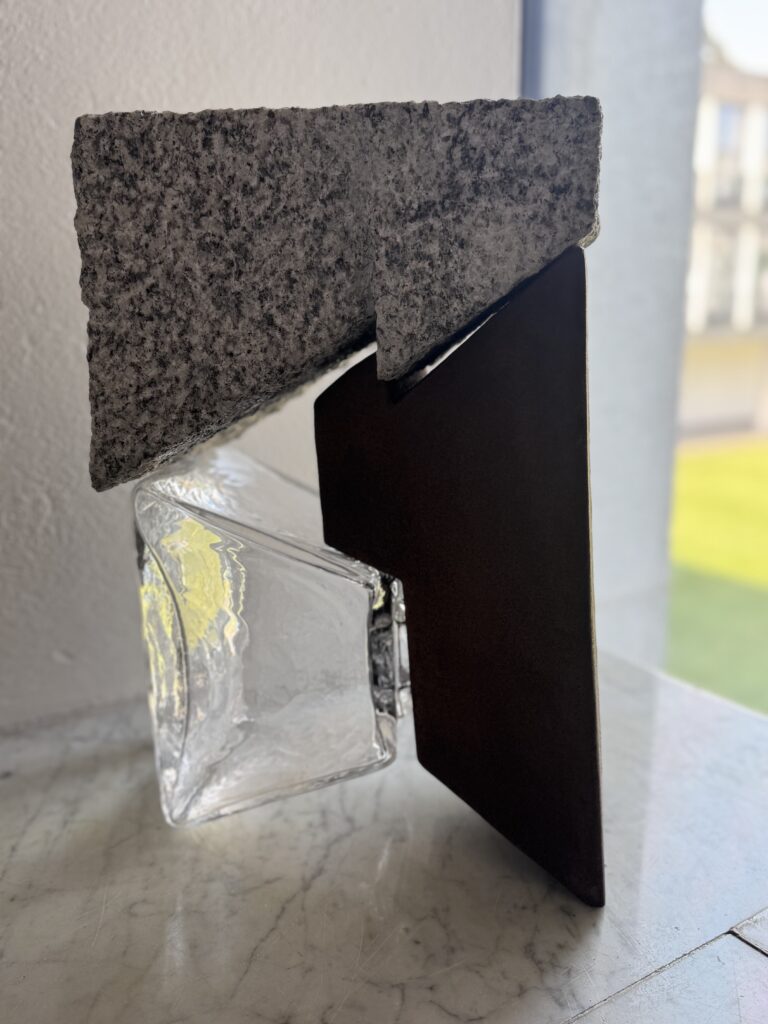
‘Luis Barragán’ (1998) by Johannes von Stumm This striking sculpture, composed of glass, iron and granite, can be found on the staircase leading from Marble Hall towards the UCR. The work was received via the Art Fund from the estate of Dennis George Andrews.
Johannes von Stumm’s unique combination of three different materials results in startlingly original sculpture, which engages continually with risk and a defiance of accepted laws. His work joins iron, granite and glass to create abstract or reduced figurative works in which apparently conflicting materials exist in complex harmony.
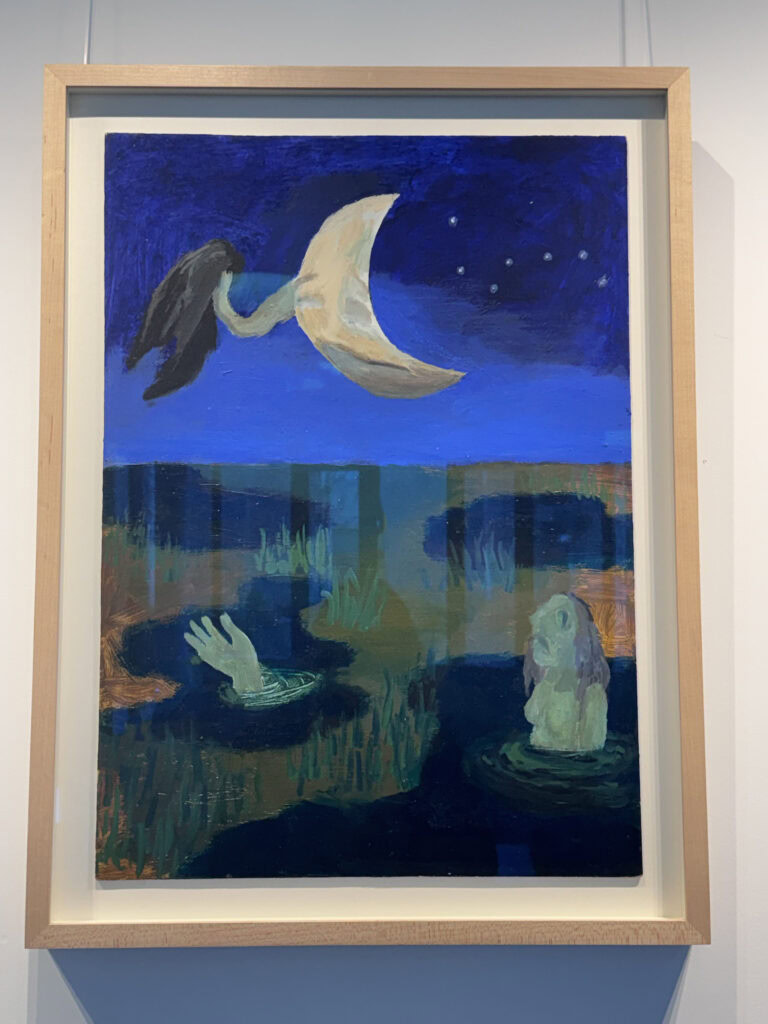
‘Moon and her Cloak’ (1977) by Ken Kiff This acrylic painting, now hanging on the western wall of the café, has been generously loaned to Wolfson by alumnus John Talbot (DPhil Archaeology, 2012).
Ken Kiff’s work spans a wide range of media and is distinguished by its dreamlike imagery and richly saturated colour. His paintings evoke mythical landscapes and imaginative encounters, often depicting ambiguous interactions between people, animals and fantastical beings. The result is work that is at once unsettling and enchanting, inviting viewers into a world of curiosity and wonder.
Wolfson Women in Science: Dr Maria Ambrosio
This week, we celebrate Wolfson’s Women in Science. To mark British Science Week and International Women’s Day, we are sharing the stories of 5 female members of Wolfson’s scientific community who are making incredible contributions to their academic fields.
Dr Maria Ambrosio is a DPhil candidate in Social Intervention and Policy Evaluation and Teaching Fellow in Quantitative Research Methods at the Department of Social Policy and Intervention. After completing her Medical Doctor degree in Russia in 2017, she combined clinical practice with community-based health education initiatives in Angola. This sparked her desire to strengthen her methodological expertise and pursue a more research-focused career. She completed a Master of Public Health in Atlanta, USA and worked at the Georgia Department of Public Health, contributing to the state’s COVID-19 pandemic response.
Her doctoral research at the University of Oxford focuses on the application of non-AI chatbots to support parents in adopting positive parenting practices and promoting the healthy development of children and adolescents. This research is part of the Parenting for Lifelong Health Programme, a global partnership among governments, NGOs, and academic institutions that reaches over 8 million families across 35 countries and has contributed to averting an estimated 81,000 cases of severe child abuse.
Maria, tell us more about your research.
My research evaluates a non-AI chatbot–led programme delivered to 1,034 caregivers of adolescent girls in low-income South African communities. The intervention aims to promote positive parenting practices and improve adolescent health outcomes. While digital health programmes such as those delivered by Parenting for Lifelong Health offer promise in expanding access to parenting support, prior evidence shows that rural and low-income populations, particularly those with limited digital literacy and restricted internet or smartphone access, often benefit less from such initiatives.
My study examines both barriers and facilitators to technology use, as well as how parents apply the skills they learn through the chatbot. Findings indicate improvements in parent–adolescent relationships, adolescent mental health and increased communication about sensitive topics, including reproductive health.
The results highlight the importance of co-designing digital interventions with communities to ensure responsiveness to local needs and constraints. A gender-intentional approach is also critical, as restrictive gender norms may limit women’s and girls’ access to digital spaces. Finally, it is important to establish partnerships with government and private-sector partners to expand internet access and provide complementary human-delivered services for families with greater needs.
What initially inspired you to pursue this career?
My initial inspiration for conducting digital health research was the numerous opportunities it offers to expand access to healthcare and support individuals in adopting a healthier lifestyle. During my clinical practice, I was always bothered by the fact that my time with patients was often limited to 20 minutes, which made it impossible to communicate health information and encourage healthier lifestyle choices. I was fascinated by the opportunities that digital platforms provide us to scale preventive health programmes, empower patients, and reduce inequalities in access to care, particularly for populations underserved by geographic, socio-economic, or mobility barriers.
What continues to motivate you to pursue digital health research?
Today, my motivations are rooted in the impact my work has. To give you an example, we receive feedback from parents saying that this program “[made me realise that] I was not a safe space for my daughter”, with another saying, “My teenager is opening up with me more, coming to me for advice”. Parents also reported that having free access to technology and the convenience of receiving parental advice from home, free from judgment, are great wins for their adolescents and their families. Such feedback inspires me to continue researching in the field.
What advice would you give to young women who are interested in pursuing a career in science?
Stay curious and never let anyone make you feel that you do not belong. Your ideas are not insignificant because science is not merely a collection of facts. It is a continuous, evolving, and collaborative endeavour that thrives on diverse perspectives.
Be ambitious and do not be afraid to ask questions. There are no silly questions. Remember, many of the greatest scientific discoveries began with someone asking a thoughtful question. Seek out mentors whose work you admire, read a lot, and place yourself in supportive scientific communities where you can learn, grow, and find encouragement. There will be days when you feel less motivated, and in those moments, your community will matter more than you expect.
For example, I had no formal training in computer science, but I was deeply curious about how technology could be applied to health care. I recognised that my medical background allowed me to contribute a different and valuable perspective to the field. Today, I am supported by a strong DPhil community in my department and at Wolfson, which provides encouragement and perspective when motivation feels low.
What is one of your proudest moments as a scientist?
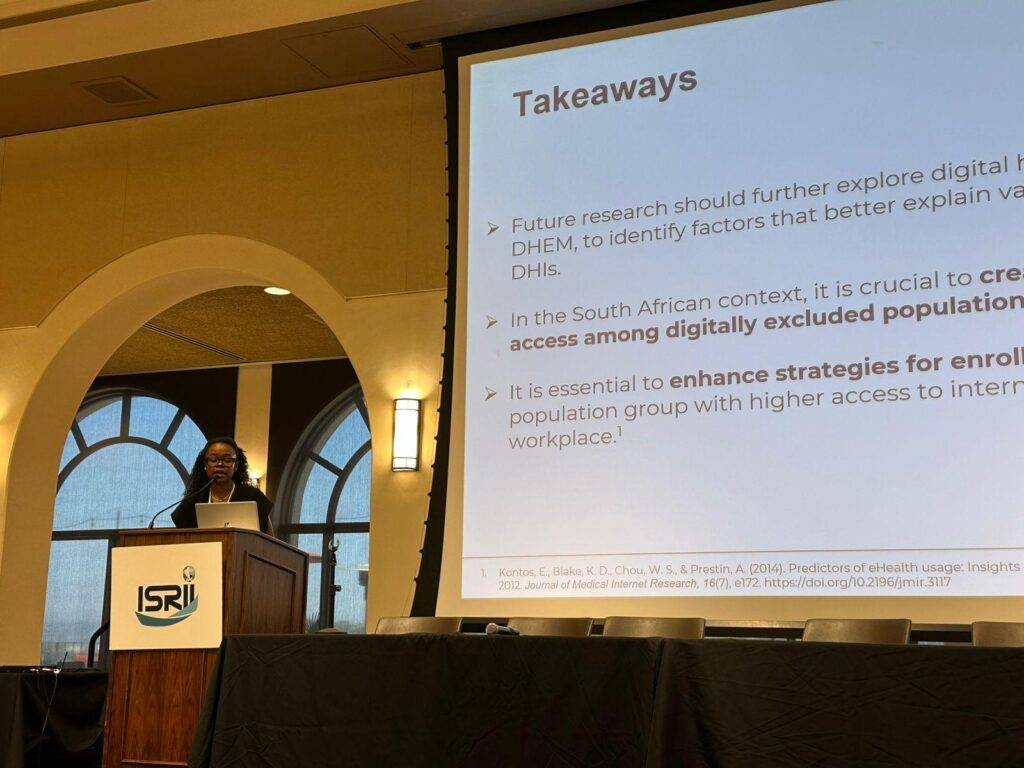
One of the proudest moments in my scientific journey is disseminating my research findings. In the last few years, I have been invited to speak at several international conferences, including the Society for Prevention Research and the International Society for Internet Interventions in the USA. One of the most impactful experiences I had was at the 2024 International Society for the Prevention of Child Abuse and Neglect (ISPCAN) in Uppsala, Sweden. The congress is a global, multidisciplinary conference that brought together state representatives, researchers, and practitioners from 73 nations and was opened by Queen Silvia of Sweden.
As I was sharing my findings at the congress, I remember thinking to myself, my research is giving a voice to thousands of children around the world. I am honoured to advocate for safer, more supportive family environments for children and adolescents before policymakers and world leaders at international conferences.
What does the Wolfson community mean to you?
I really enjoy the Wolfson community and have made long-term friendships since joining. One of the aspects I appreciate most is the opportunity to meet people from diverse personal and academic backgrounds. I like to joke that whenever I have a question about a discipline other than mine, there is someone at Wolfson I can talk to. Also, every time I talk to Wolfson members, I feel like I am becoming more educated on different disciplines.
For example, I once went to Cape Town, South Africa for a fieldwork trip and noticed the clouds resting on Table Mountain. I came back to Wolfson and reached out to one of my friends in Physics, and she gave me a great explanation of that breathtaking natural phenomenon.
Apart from making the most of my colleagues’ expertise, I am also part of the Wolfson Christian Society. I also love using the college library, playing tennis – being a long-term member of the college tennis club – and using the music rooms on the weekends to play the piano and the guitar.
A Golden Age for Wolfson Rowing
Wolfson M1 in celebration after clinching Head of the River on the final day of Summer Eights 2025.
Summer Eights 2025 was a historic week for Wolfson College, as the Men’s First VIII (O1) won Head of the River – a first in the College’s history. This landmark victory comes just months after the crew secured their inaugural Torpids headship, firmly establishing Wolfson as a dominant force in Oxford rowing.
Starting the week in fourth position, the men’s crew delivered a remarkable performance. After bumping Keble and Christ Church in the opening races, they entered the final day chasing down a strong Oriel crew, boasting five Blues rowers. Wolfson executed a lightning quick start and closed the gap within the first stretch of the race, drawing roars of support from hundreds of spectators on the riverbanks as they bumped Oriel to seize the title.
This victory mirrors the women’s headship in 2019 and signals parity in success between the College’s top crews. It also marks a significant milestone for Wolfson’s emergence as a rowing powerhouse, built on the dedication, hard work and camaraderie of its rowers and coaches.
Wolfson College Boat Club’s success at Summer Eights, marks a golden age of rowing for the College and reflects Wolfson’s dedication to excellence both on and off the water.
Wolfson M1 throw their cox into the river after securing the College’s first Men’s Summer Eights Headship.
Results
Men’s Boats
O1 Head of the River: Climbed three places over the week to secure Wolfson’s first men’s headship at Summer Eights.
O2 Finished as the fourth-highest M2 boat across all colleges.
O3 Top M3 boat in the competition.
Women’s Boats
W1 A two-place rise saw the women’s crew finish fourth in Division I, reaffirming their elite status after a 2019 headship.
W2 Despite a slight slip they remained the second-highest W2 boat overall.
W3 Dropped one place but retained their position as the highest-placed third women’s boat.
W4 Climbed three spots to become the top-ranked fourth women’s boat, surpassing all W3 crews except Wolfson’s own.
For more on Wolfson College Boat Club, including how to get involved, visit the Wolfson College Boat Club website or check them out on Instagram.
Wolfson DPhil Student Wins EAS Young Investigator Fellowship
Huge congratulations to Michail Mavrogiannis, who has been awarded a European Atherosclerosis Society (EAS) Young Investigator Fellowship for 2025.
Michail received the award for his Science at a Glance oral presentation: Regional Adiposity and Cardiometabolic Phenotypes in Human Atherosclerosis, which he is presenting at the upcoming EAS Congress in May.
Groundbreaking Research on Fat Distribution and Heart Disease
Michail’s research investigates how different types of body fat affect cardiovascular health. Traditional obesity markers like BMI and body weight don’t tell the full story. Instead, his study uses ultrasound to measure regional fat storage, revealing new insights into metabolic health.
The results show that fat stored in the thighs is linked to better blood sugar control and less artery calcification than fat stored around the waist. This means that fat in some areas may be protective, while fat in others is linked to worse heart health. These findings could help reshape how doctors assess cardiovascular risk in patients with obesity.
Upon receiving the EAS Young Investigator Fellowship, Michail said:
‘I am truly happy to have received this prestigious fellowship. It reflects not only a personal milestone but also the collective efforts of our team. I’m especially grateful to my supervisor, Professor Charalambos Antoniades, and my colleague Dr Ioannis Akoumianakis, for their unwavering support and guidance. And to the Onassis Foundation for funding my studies at Oxford.”
Wolfson Celebrates Student Success
Wolfson College is proud to be home to exceptional students like Michail. His success highlights the College’s commitment to academic excellence and real-world impact in medical science.
Congratulations, Michail!
Accommodation
Wolfson offers a choice of graduate accommodation including single, double and family units, primarily situated in or around the College. Scroll down for a detailed breakdown of the options available. Please note that we aren’t able to offer viewings as our accommodation is occupied year-round.
For more information on living in Wolfson College, you can view the Accommodation Handbook here.
Please visit this page for short stay Guest Room/Guest Suite information.
Current Wolfson students are welcome to get in touch at any point to enquire on accommodation availability for either a short-term stay or until the end of the current academic year. Please note that ad-hoc requests (i.e. those outside of the annual ballots) cannot be accommodated more than one term in advance.
information
The College aims to provide accommodation to as many first-year students as possible, whether they’re single graduates or those with partners and/or families. However, please note that accommodation is limited and demand exceeds supply, so unfortunately we cannot guarantee to fulfil every application.
It is recommended that you apply for accommodation as soon as possible, even if you are awaiting funding confirmation. If, at a later stage, you find that you are unable to obtain the necessary funding, you can let the Accommodation Office know and your application can be withdrawn.
We will notify you of the outcome of your application as soon as we can. Most students who apply early should hear from May onwards. All students who are not offered accommodation at this point will be kept on a waiting list. This process will continue throughout the summer until all accommodation has been allocated. If you are unsuccessful in obtaining Wolfson accommodation, we will contact you with alternative ways to look for accommodation.
First-year students can apply for accommodation from 1 October to 14 September depending on availability.
Some accommodation is only available to 30 June each year. Every effort is made to find alternative accommodation for those who need it, but this cannot be guaranteed.
If you are on a 2 or 3 year course, you can apply in the Accommodation Ballot which is held in January/February each year.
For more information on the order of priority for the allocation of accommodation, click here.
Information for the annual Accommodation Ballot will be emailed to all eligible Members during January each year. Current Graduate Students, Junior Research Fellows and Research Fellows are entitled to enter the ballot.
Priority is given to applicants who wish to be allocated accommodation for the entire year.
In exceptional circumstances the College allows members a higher priority in the ballot system. Click here for further information on the Order of Priority. If you feel you qualify for exceptional circumstances, please highlight this on your application form and we will try to accommodate you.
If you are currently on a one year course, you are not eligible for the Ballot and should apply for a Summer Extension.
If your current course is ending and you plan to commence a new course in the next academic year, you are not eligible for the Ballot and should instead apply for accommodation via the links sent with your course offer.
Once the Ballot entry period has closed, accommodation is allocated in order of the number of months previously spent living in College accommodation (from lowest to highest). Unsuccessful applicants will automatically form a waitlist and be contacted in order should any rooms become available afterwards.
The majority of current residents in College accommodation are allocated accommodation until 30th June or 14th September. (Tenancies for single en-suite accommodation in B Block, the Catherine Marriott Building and M Block accommodation finish on 30th June).
If you are a current resident and would like to stay during the Summer, beyond the end of your tenancy, please apply for a Summer Extension. NB do not apply through the ballot process; this is for accommodation from September/October only.
We cannot always guarantee accommodation for the entire summer. The link for Summer Extension Applications will be circulated in January to all eligible residents, and you will hear an outcome before March.
If you originally planned to move out earlier than 30th June or 31st July but now wish to stay longer, please contact the Accommodation Office promptly on accommodation.office@wolfson.ox.ac.uk
If you wish to vacate your accommodation before the date stated on your agreement, you must give two calendar months’ notice in writing via email to the Accommodation Office. Your original agreement will stand for ballot purposes.
All keys are available from the Lodge Porter from 12 noon on your arrival date.
You will receive an accommodation license electronically before you arrive. Please make sure you sign your license before you attempt to collect your key.
All rooms must be vacated by 12 noon on the date shown on your license.
Fire Safety
All residents should log in to the University’s training site here to familiarise themselves with the Fire Safety Regulations. You should also watch this video on fire safety within Colleges.
We expect you to follow our fire safety rules, which include:
Evacuating the building and heading for the nearest fire assembly point during a fire alarm activation
Ensuring you keep your kitchen door closed when cooking
Not using candles within your accommodation
Not tampering with any of the portable firefighting appliances
Details about the College’s fire safety expectations and rules can be found here, and a map of the fire assembly points around site here.
Please note that fire alarms are tested every Monday from 10am. If your alarm sounds for more than 30 seconds during this period, please vacate the building and head to your nearest assembly point to await further instruction.
If you need assistance from our Maintenance or Housekeeping teams, please use this link to submit a request.
The schedule for the monthly water checks can be found here.
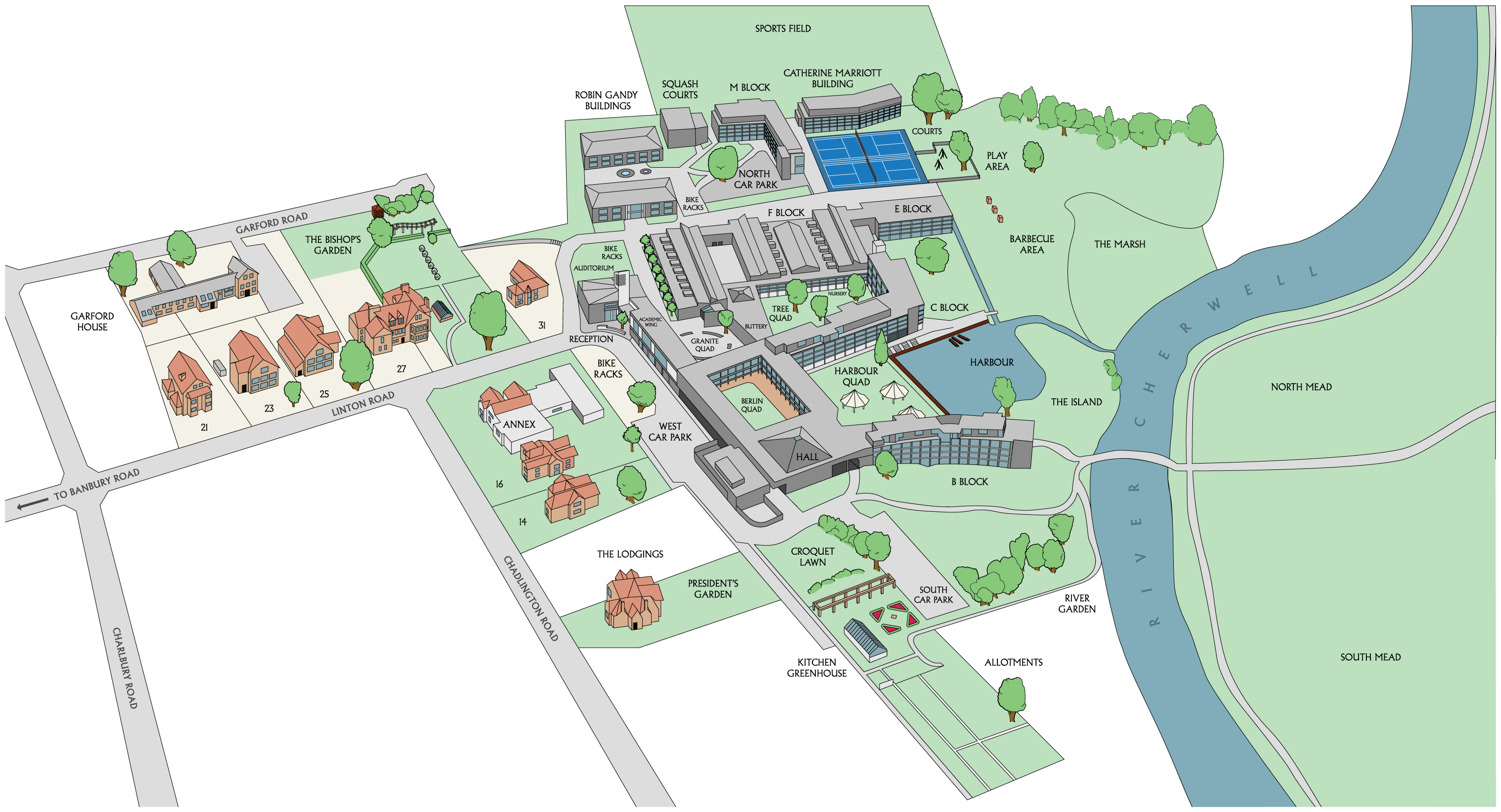
Accommodation Map
i
x
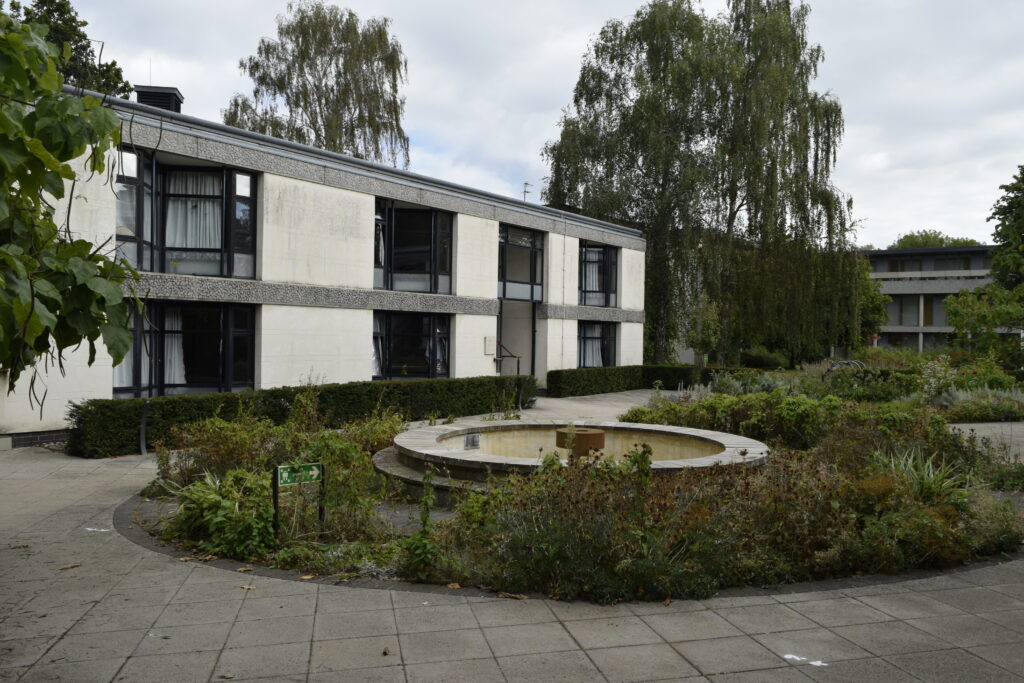
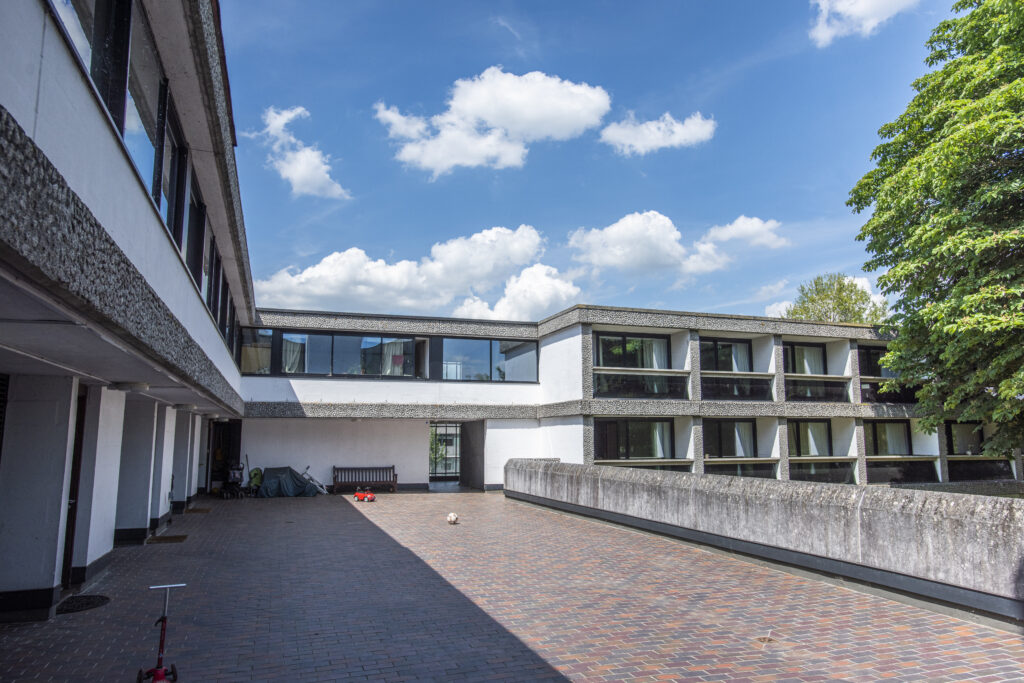
Main Buildings (B and C Blocks)
Single, couple and family accommodation available
i
x
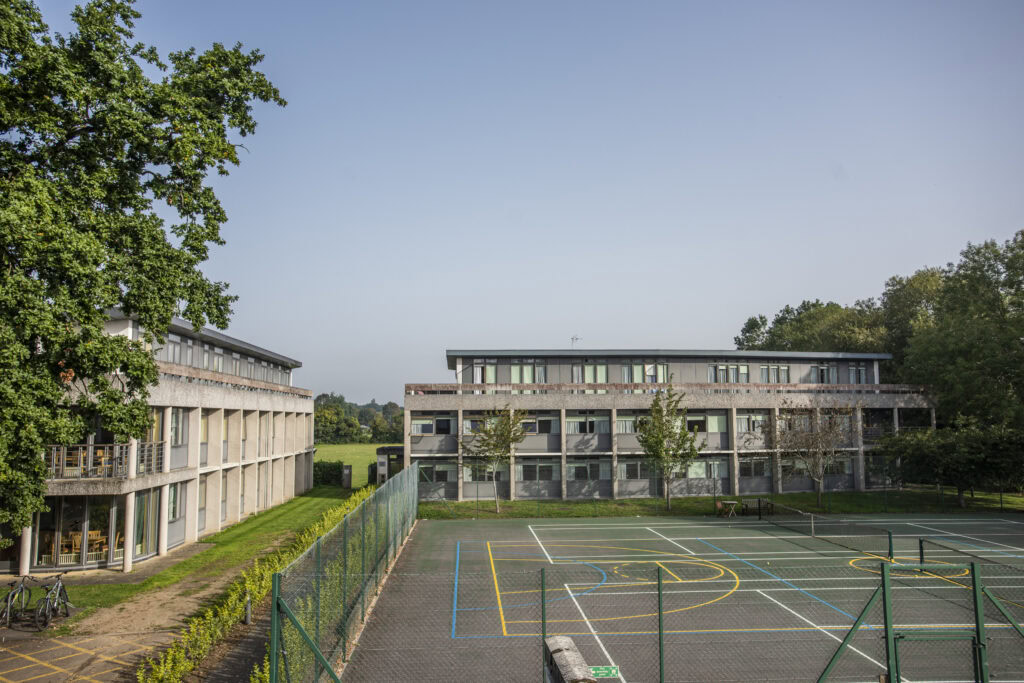
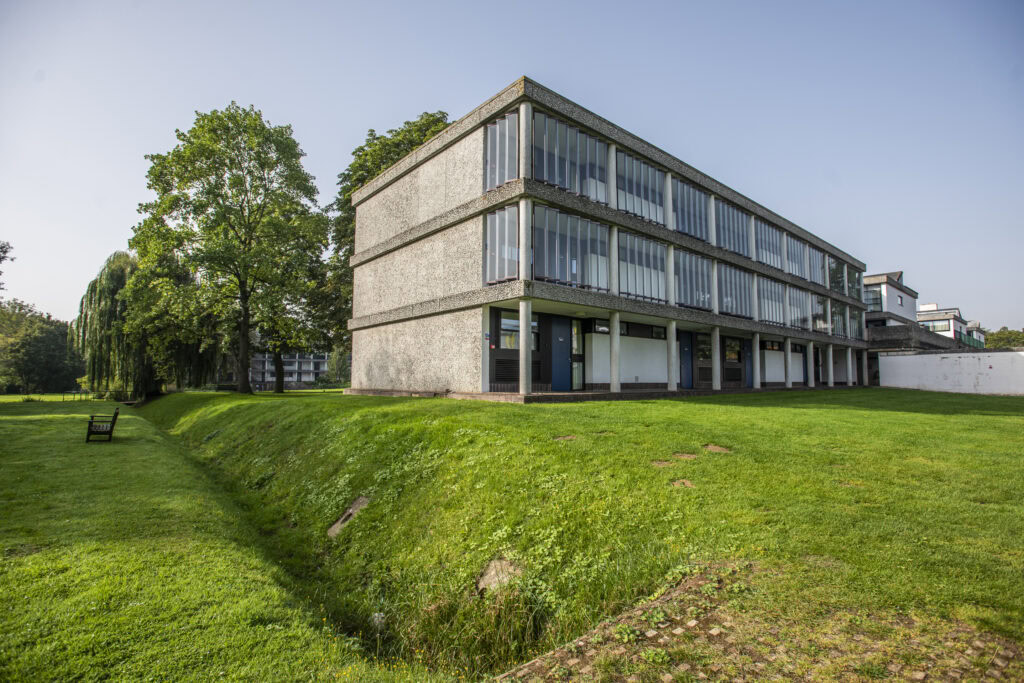
Robin Gandy Buildings
Single accommodation available
i
x
M Block
Single and couple accommodation available
i
x
Catherine Marriott Building
Single and couple accommodation available
i
x
The Annex
Single accommodation available
i
x
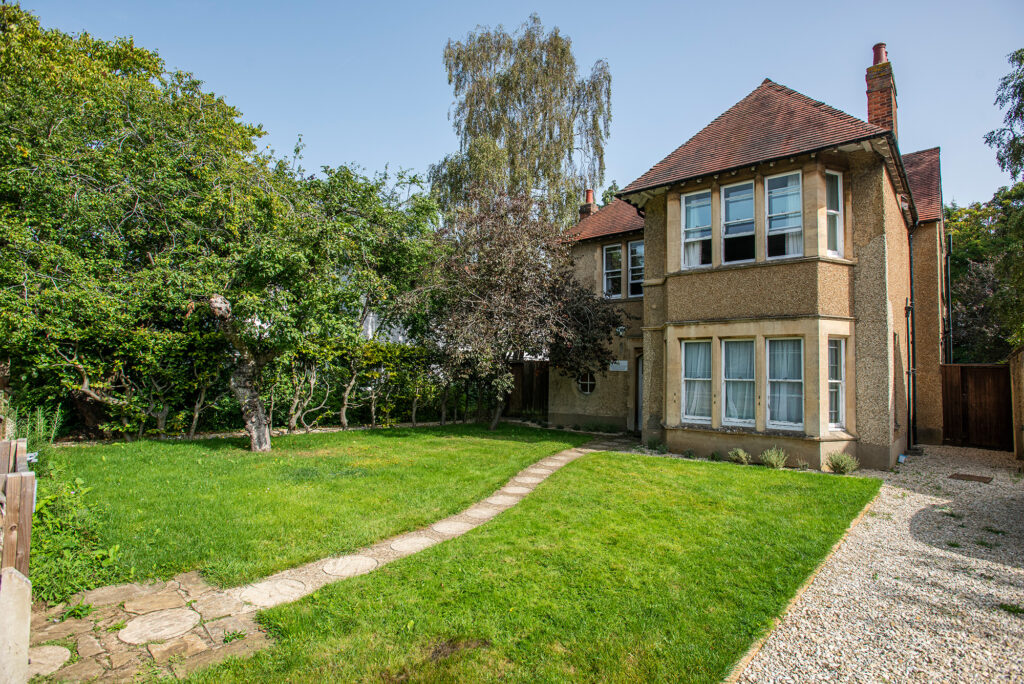
14 Chadlington Road
Single accommodation available
i
x
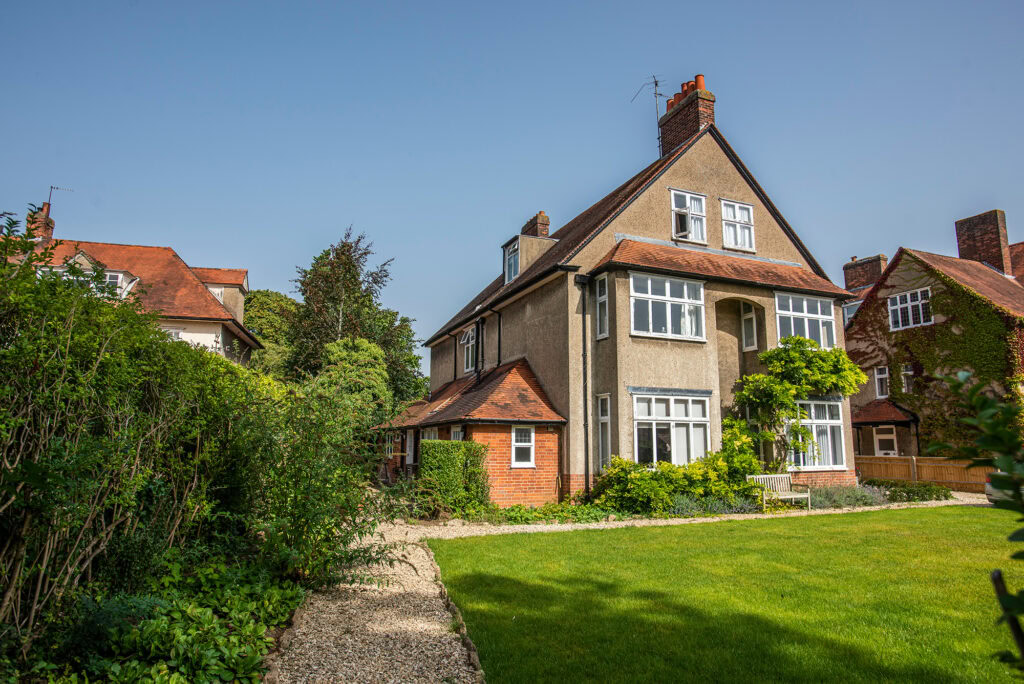
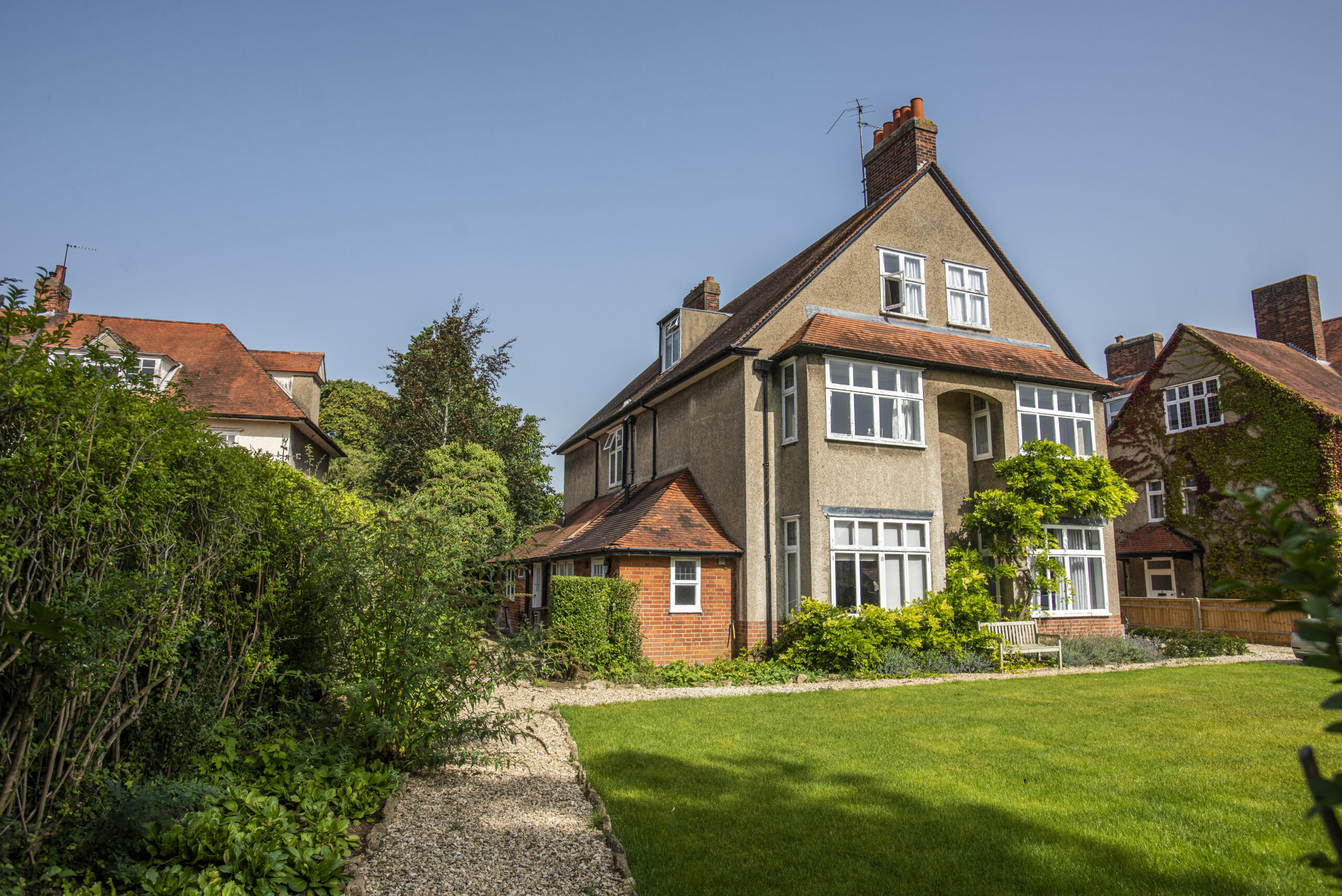
21 Linton Road
Single and couple accommodation available
i
x
23 Linton Road
Single accommodation available
i
x
25 Linton Road
Single and family accommodation available
i
x
16 Chadlington Road
Couples accommodation available
i
x
31 Linton Road
Couples accommodation available
i
x
Garford House
Family accommodation available
i
x
F, G & H Blocks
Family accommodation available
i
x
E Block
Family accommodation available
Main Buildings (B and C Blocks)
Single, couple and family accommodation available
Robin Gandy Buildings
Single accommodation available
M Block
Single and couple accommodation available
Catherine Marriott Building
Single and couple accommodation available
The Annex
Single accommodation available
14 Chadlington Road
Single accommodation available
21 Linton Road
Single and couple accommodation available
23 Linton Road
Single accommodation available
25 Linton Road
Single and family accommodation available
16 Chadlington Road
Couples accommodation available
31 Linton Road
Couples accommodation available
Garford House
Family accommodation available
F, G & H Blocks
Family accommodation available
E Block
Family accommodation available
Accommodation Types
Please click on the links below to explore the various accommodation options available.
Wolfson College is signed up to the Student Accommodation Code, and our accommodation has been assessed by independent auditors to meet its strict standards.
The Current Licence Fees and Miscellaneous Charges can be found below. The licence fee includes the access/use of the accommodation, electricity, heating, water and internet charges.
Please be aware that accommodation licence fees increase from 1st August each year. The annual uplift is based on the actual rising costs of running accommodation in Oxford, rather than national inflation indices and can, at times, be substantially higher. Please ensure that you take this into account when applying for or accepting College accommodation.
Accommodation handbook
To read the Accommodation Handbook, which contains comprehensive information for residents of the College, click here.
Wolfson GBF publishes research on racial discrimination on social media
Social-media interactions have become increasingly central in modern life. According to some estimates, about 60% of people across the world use social media, with the typical user spending around 2.5hrs per day on these platforms. In the United States, nationally representative surveys have found that although only 5% of adults used social media in 2005, the number had grown to 70% by 2019.
Do racial minorities face discrimination when attempting to build ties on social media? That is, do they face unique disadvantages in this domain that are not faced by members of the majority ethnic group? There is relatively little research into these questions despite the increasing importance of social media in daily life.
Wolfson GBF, Mohsen Mosleh, alongside co-authors from Northwestern University and University of Illinois, this month published a paper examining whether racial minorities face discrimination when attempting to build ties on social media. The results demonstrated that, at least in terms of building connections on social media, liberals and conservatives don’t differ in racial discrimination.
To read the press release about the study, click here.
Wolfson Research Fellow Leads Research into Groundbreaking Malaria Vaccine
Wolfson College is proud to celebrate the pioneering work of Research Fellow Professor Angela Minassian, who has played a pivotal role in the development of a promising new vaccine against blood-stage malaria.
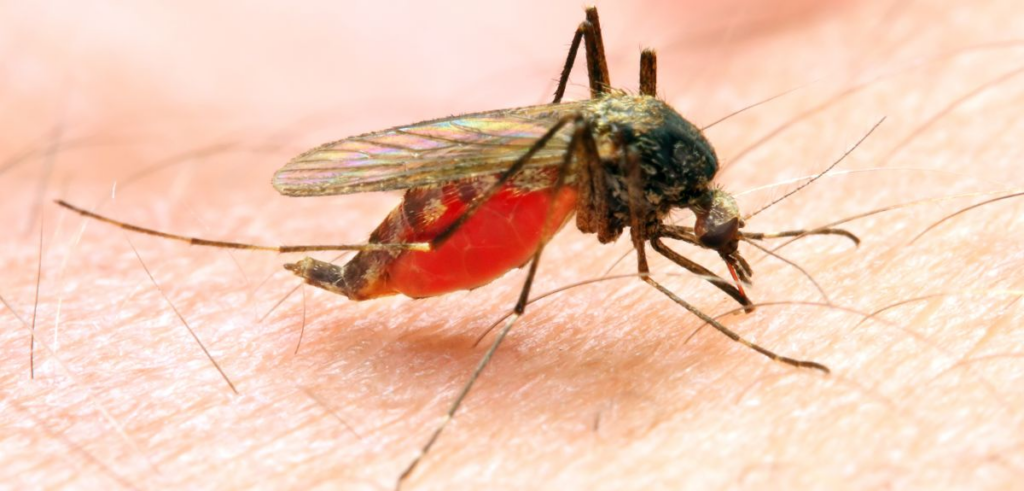
Malaria, caused by Plasmodium falciparum parasites, is a leading cause of death in children under five in many parts of Africa. Blood-stage malaria – when the parasite infects red blood cells – causes symptoms of the disease like fever and chills, and can lead to severe, life-threatening complications like anaemia and organ failure.
A recent study, run by scientists from the University of Oxford in collaboration with international partners has demonstrated that the RH5.1/Matrix-MTM vaccine, is both well-tolerated and highly effective in combatting blood-stage malaria. The results, published in The Lancet Infectious Diseases, showed the vaccine was well tolerated with no safety concerns. Children who received the vaccine developed high levels of antibodies against the parasite.
This research represents a major leap forward in the global effort to combat this devastating disease. Unlike existing vaccines that primarily target the early liver stage of malaria, the RH5.1/Matrix-MTM vaccine focuses on the blood-stage of the parasite’s life cycle, offering a novel and complementary approach to disease prevention.
Professor Angela Minassian, is an infectious diseases physician and Associate Professor in The Department of Biochemistry who leads the clinical blood-stage malaria vaccine programme. Speaking on the groundbreaking research she said:
‘Our goal, by targeting the blood-stage of the disease with this vaccine, is to significantly reduce the number of severe cases and deaths. The current licensed vaccines, R21/Matrix-MTM and RTS,S/AS01, target the liver-stage of the parasite and are very effective at stopping parasites from getting into the blood. However, if they fail and parasites slip through the net, disease will develop as these approved vaccines have no activity against malaria in the blood. Adding RH5.1/Matrix-MTM to these licensed vaccines should provide a vital second line of defence, achieving even higher levels of protection. Importantly, our study has provided the first real-world data to show that this type of vaccine works by reducing the level of parasites in the blood.’
Professor Minassian’s research reflects Wolfson College’s commitment to addressing global challenges through innovation and collaboration. The College congratulates her and the entire team on this landmark achievement and looks forward to the next stages of this vital work.
Wolfson Student Uncovers What Drives Extinction
Wolfson College has a proud record when it comes to addressing the climate crisis, both in successfully eliminating our carbon emissions and in the ongoing work of our graduates and Fellows. Third-year Wolfson doctoral student Cooper Malanoski has been continuing this long tradition with the publication of new research into historic drivers behind mass extinction events. His work has the potential to help identify at-risk species and target conservation efforts in the present day.
An artist’s impression of a coral reef in the late Triassic, before and after an extinction event.Credit: Maija Karala.
The Earth has experienced five mass extinction events in the past 450 million years. The most recent led to the end of the dinosaurs, which vanished from the fossil record a mere 66 million years ago. It’s no secret that changes in the climate can have an adverse effect on biodiversity, but until now it has been unclear what factors make a species more or less resilient to such changes. With human activity now warming the planet at an unprecedented rate, it’s important to identify which species are most at risk.
Cooper and fellow researcher Professor Erin Saupe studied over 290,000 fossil records spanning the past 485 million years for marine invertebrates. From these records, they were able to collate a dataset of traits that affect resilience to extinction. They found that species that are exposed to temperature changes of more than 7˚C, inhabit climate extremes or will only live in a narrow range of temperatures are disproportionately vulnerable. These species, particularly when occupying confined areas, had a higher likelihood of extinction.
“Our paper, recently published in Science, suggests that global biodiversity could face a harrowing future, given projected climate change estimates. In particular, our study revealed that geographic range size was the strongest predictor of extinction risk for marine invertebrates, but that the magnitude of climate change is also an important predictor of extinction. Therefore, if the localized climate change is large enough, it could lead to significant extinction globally, potentially pushing us closer to a sixth mass extinction.”
– Cooper Malanoski
With anthropogenic climate change already pushing many species to the brink of extinction, these results could help identify those most at risk and inform strategies to protect them. “Without immediate and targeted conservation efforts,” warns Malanoski, “we risk moving toward a sixth mass extinction event. So our work provides a pivotal call to action.”
Cooper Malanoski is in the third year of DPhil study at Wolfson, which is funded by a Clarendon Fellowship. His research focuses on the influence of climate on evolutionary dynamics and using fossils to study biogeographic distributions through the Phanerozoic. His work seeks to better understand the complex interplay between biotic and abiotic factors, such as geographic distribution and climate variations, in driving extinctions on macroevolutionary timescales.